Living Heritage
Living Heritage Around Lake Balaton
Discover the living heritage of Lake Balaton through historic villages, rural estates, ancient monuments and landscapes shaped by centuries of local traditions. From medieval ruins and traditional architecture to native Hungarian animals and historic farming culture, these places reveal another side of the Balaton region.
Veszprém Castle District – Veszprém
Rising above the historic centre of Veszprém, the Castle District brings together centuries of Hungarian history in one of the country’s oldest urban areas. Rather than a single medieval fortress, today it is a historic quarter of Baroque buildings, churches, former palaces and viewpoints built on the foundations of the earlier castle.
Walk through Heroes’ Gate and along the cobbled Castle Street to discover landmarks including St Michael’s Cathedral, the Archbishop’s Palace and the statues of King Stephen I and Queen Gisela. At the northern end of the district, panoramic viewpoints look across Veszprém towards the Bakony Hills. Find out more
Saint Ladislaus National Memorial - Somogyvár
On the hills above Somogyvár, the ruins of a medieval Benedictine abbey tell the story of one of Hungary’s most important early religious centres. King Ladislaus I founded the monastery of Saint Giles here in 1091, bringing Benedictine monks from Saint-Gilles in southern France and creating a remarkable connection between medieval Hungary and Western Europe.
Today, visitors can explore the remains of the former monastery and learn about its history at the visitor centre. The site became a National Memorial in 2011 and remains closely connected with the legacy of Saint Ladislaus, one of Hungary’s best-known medieval kings. Find out more
Szántódpuszta Manor - Szántód
Just a short distance from the southern shore of Lake Balaton, Szántódpuszta brings the rural heritage of the region to life through its historic manor buildings and exhibitions. The estate offers a glimpse into everyday life on a 19th-century Hungarian manor, from farming and traditional crafts to the people who once lived and worked here.
Explore the historic buildings, including the manor house, granary and stables, discover interactive exhibitions about the estate’s past, and meet farm animals in the grounds. The nearby St Christopher’s Chapel and the estate’s historic connections with the Benedictine Abbey of Tihany add another layer to the story of this remarkable place. Find out more
The Historic Villas of Fonyód – Fonyód
Fonyód’s historic villas tell the story of how the southern shore of Lake Balaton developed into a fashionable holiday destination. Around Bélatelep and the hills above the town, elegant villas became part of a distinctive resort landscape that still shapes the character of Fonyód today.
Walk through the villa districts and along the panoramic routes above the lake to discover historic architecture alongside some of Fonyód’s best views towards Badacsony and the volcanic hills of the northern shore. The surviving villas offer a glimpse into an earlier era of holidays at Lake Balaton. Find out more
Pusztatorony Medieval Church Ruins – Somogyvámos
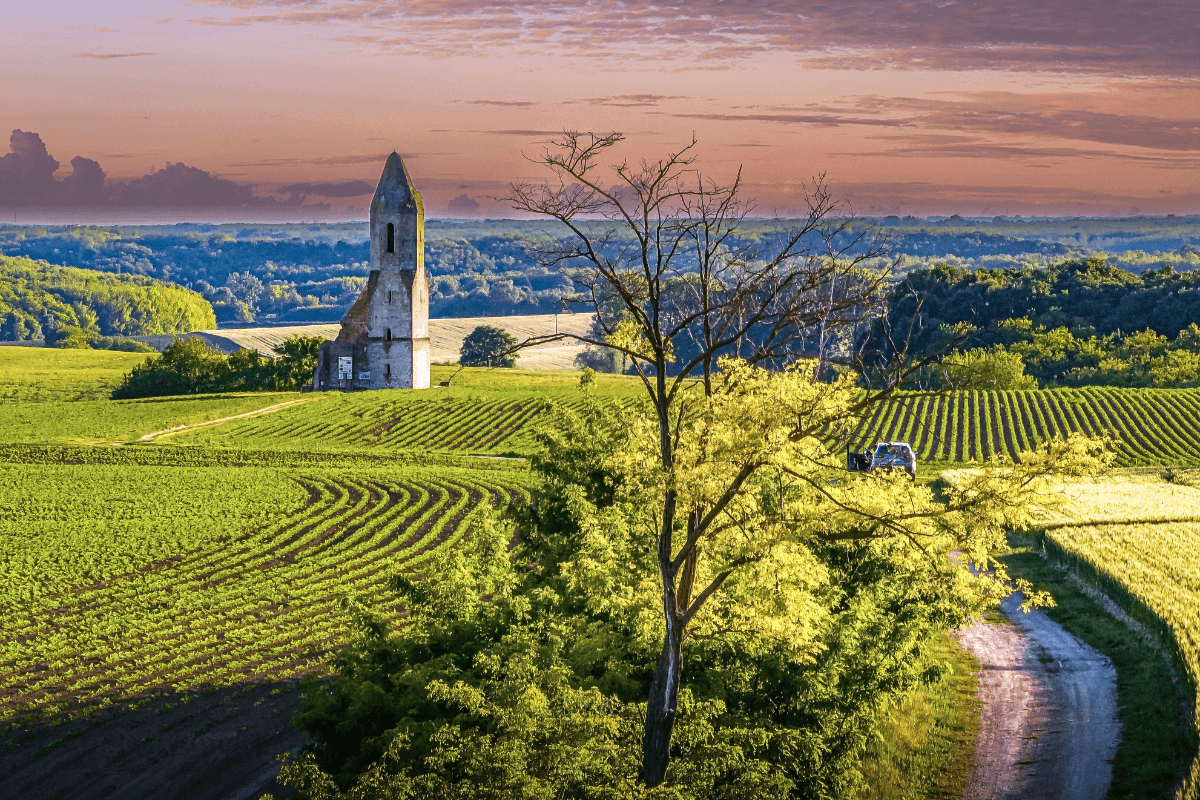
Standing alone among the fields near Somogyvámos, the medieval church ruins known as Pusztatorony are a striking reminder of the settlements that once shaped this part of Somogy. The Romanesque church dates back to the Middle Ages and today its surviving tower and walls rise above the surrounding countryside.
Archaeological excavations at the site began in 1968, revealing traces of the medieval settlement that once stood in the area. Surrounded by open fields, Pusztatorony is a peaceful heritage stop where the landscape itself has become part of the experience. Find out more
Pipo Castle – Ozora
In the small village of Ozora, Pipo Castle brings a remarkable chapter of medieval and Renaissance Hungary to life. The residence was built in the early 15th century for Florentine-born Filippo Scolari, better known in Hungary as Pipo of Ozora, a prominent figure at the court of King Sigismund.
Step into the inner courtyard and explore historic rooms including the Renaissance dining room, chapel and reconstructed bedroom of Pipo’s wife. Exhibitions throughout the castle reveal more than five centuries of history through archaeological finds, period interiors and a collection of historic weapons. Find our more
Örvényes Watermill – Örvényes
In the small village of Örvényes on the northern shore of Lake Balaton, a historic watermill preserves centuries of milling tradition. Standing beside the Pécsely stream, it is one of Hungary’s oldest watermills still capable of operating, with a history reaching back to the Middle Ages.
Step inside to see the traditional milling machinery and discover how generations of millers turned grain into flour using the power of water. The preserved equipment and working mechanisms make the mill a fascinating piece of industrial and rural heritage near the Tihany Peninsula. Fint out more
Salföld Manor – Salföld
In the heart of the Káli Basin, Salföld Manor offers a glimpse into the traditional rural life of the Balaton Uplands. Operated by the Balaton Uplands National Park Directorate, the historic farmstead is home to native Hungarian domestic animals and preserves the agricultural traditions that have shaped this landscape for generations.
Meet Hungarian grey cattle, buffalo and other farm animals, explore the herb and medicinal plant garden, and discover exhibitions connected with rural life and nature conservation. From the manor, horse-drawn carriage rides also lead through the surrounding landscape towards the ruins of a medieval Pauline monastery. Find out more
Water Buffalo Reserve – Kápolnapuszta
Near Kis-Balaton, the Water Buffalo Reserve at Kápolnapuszta protects one of Hungary’s traditional native domestic animals and helps preserve its genetic heritage. The reserve is home to Hungary’s largest water buffalo herd and offers visitors a close look at animals that once played an important role in rural life.
Follow the walking trail through the reserve to observe the buffalo, learn about the history of buffalo keeping and discover the wildlife of Kis-Balaton through the interactive exhibition. Picnic areas, a lookout point and an animal-stroking area make the reserve an easy nature and heritage experience for families too. Find out more